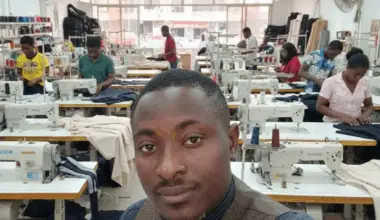
Fashion in Nigeria: A Collective Blend of Culture (Native), Creativity, and Modern Style
Introduction: The Evolution of Nigerian Fashion
Fashion in Nigeria is more than just clothing—it is a living expression of identity, culture, and new trend. Over the past years, Nigerian fashion industry has evolved from traditional styles rooted in heritage to a thriving international industry that influences runways across Nigeria, Africa and beyond.
From Ankara prints to Aso Oke fabrics, from streetwear brands to luxury Couture, Nigeria’s fashion exposure reflects the country’s diversity and energetic ideas, moreover, this evolution has placed Nigeria as a fashion powerhouse and cultural influencer in Africa and the global style at large.
The Cultural Heritage Behind Nigerian Fashion
Nigerian fashion derives much from its rich cultural diversity, with each ethnic groups contributing unique designs and colors that tell a story.
Traditional Nigerian Clothing Styles
1. Yoruba Fashion – The Yorubas Protrude their elegant Aso Oke, Agbada, and Buba outfits. These garments usually symbolize wealth, prestige, respect, and status during weddings, festivals, funerals, parties and other events.
2. Igbo Attire – The Igbo traditional wear includes the Isi Agu, a royal-looking top worn by men, and George wrappers for women, often paired with coral beads for the hands, neck, legs and waist.
3. Hausa/Fulani Styles – In Northern Nigeria, men wear the Babban Riga, while women often wear Zani dresses and Hijabs, mixing tradition with modern fashion.
4. Tiv, Efik, and Other cultures – Every tribe contributes a piece of color and creativity, from the Tiv’s black-and-white striped attire to the Efik’s amazing styled dresses and headpieces.
These traditional pieces are not just outfits—they are cultural statements that preserve history, promote pride and identity among Nigerians.
The Rise of Modern Nigerian Fashion
Recently, modern Nigerian fashion has taken main stage both locally and internationally, interestingly, Nigerian designers are breaking barriers and redefining African fashion dressing sense and appearance.
Top Nigerian Fashion Designers Making Waves
Deola Sagoe – greatly known for her luxurious designs that blend African fabrics with modern touches.
Lisa Folawiyo – inventor of innovative Ankara fashion pieces that have reshaped African prints globally.
Mai Atafo – well known for his bespoke suits and bridal designs that serves both men and women.
Lanre Da Silva Ajayi – Famous for blending vintage styles with contemporary elegance.
Orange Culture – A fashion brand redefining Nigerian youth streetwear.
These designers and brands have uplifted Nigerian fashion, presenting it on global stages such as Lagos Fashion Week, Arise Fashion Week, and Paris Fashion Week
Ankara: The Fabric That Defines Nigerian Fashion
You can never have any complete discussion on fashion in Nigeria without mentioning Ankara, the, beautiful, colorful and versatile wax print fabric. Although once viewed as everyday wear, Ankara has now become a symbol of Afrocentric pride and global fashion innovation.
Designers have transformed Ankara into suits, gowns, trousers, shorts, hoodies, accessories, and even sneakers, moreover, it is loved for its vibrant patterns, durability, and cultural significance. The ability to mix Ankara with modern fabrics like chiffon, denim, silk and cotton, clearly shows the creativity of Nigerian designers.
Today, almost everyone in Nigeria wears Ankara—from celebrities like Asake, Wizkid, and Burna Boy to lovers of fashion worldwide.
The Influence of Nigerian Streetwear
Streetwear is another fashion wave taking over Nigeria’s youth culture, in the light of this, brands such as WafflesnCream, Ashluxe, and Rogue are reshaping urban fashion through a blend of Afro-centric themes and modern aesthetics.
Streetwear in Nigeria reflects the confidence, creativity, and hustle spirit of the younger generation, and it as well put bridges traditional inspiration with global fashion energy, thereby making Lagos one of Africa’s fastest-growing streetwear capitals.
Fashion Weeks and Events in Nigeria
Several fashion events has been hosted in Nigeria which has helped to put African designers on the map:
1. Lagos Fashion Week – This is the biggest fashion event in West Africa, showcasing both emerging and established designers.
2. Arise Fashion Week – Known for featuring front-liner African and international designers.
3. GTCO Fashion Weekend – It is a free-entry fashion fair combining runway shows, exhibitions, and masterclasses.
4. African FashionWeekNigeria – They are focused on promoting local fabrics, designs, and the sustainable fashion movement.
These platforms do not only promote designers but they also create networking opportunities for models, photographers, and stylists.
For more information on fashion weeks and events, visit Official website
The Role of Technology and Social Media in Nigerian Fashion
Technology and social media have transformed how fashion in Nigeria grows, as a matter of fact, Instagram, TikTok, Facebook, and YouTube are now key platforms where designers showcase collections of their brands and consumers discover new trends and styles.
Fashion influencers such as Toke Makinwa, Denola Grey and Priscilla Ojo play a great role in shaping style preferences, in like manner, online shopping platforms such as Jumia, Zulway, Payporte and Jiji, have made it easy and simple for Nigerians to gain access imto the latest designs without leaving their houses.
Furthermore, e-commerce and fashion blogs have expanded the Nigerian fashion ecosystem, assisting brands to reach global audiences.
Sustainability and Ethical Fashion in Nigeria
As global attention shifts toward sustainability, Nigerian designers are embracing eco-friendly fashion, with this in mind, many people now use locally sourced materials, handmade techniques, and recycled fabrics.
Brands such as This Is Us, NKWO, and Maki Oh takes a lead in sustainable design, as well as encouraging slow fashion and ethical production practices, on the positive side. This movement do not only reduces waste but also preserves indigenous craftsmanship.
Challenges Facing the Nigeria Fashion Industry
Despite the rapid and continuous growth in the Nigerian fashion industry, it still faces several challenges:
– Lack of local textile production:– Many fabrics are imported from countries like China and Korea, which increases cost of production.
– Limited funding for emerging designers:– There is low access to capital, and this remains a major issue.
– Inconsistent power supply:– the fluctuation of electricity has effects production timelines and increases costs.
– Counterfeit fashion and piracy:– fake designs and knock-off designs flood the markets on daily basis, affecting original creators.
Amid this challenges, the resilience and creativity of Nigerian fashion entrepreneurs continue to push the industry forward.
The Future of Fashion in Nigeria
The future of Nigerian fashion looks wonderfully bright, better still, with growing global recognition, increased investment, and a focus on sustainability, Nigeria is on track to becoming a fashion hub of Africa.
Upcoming designers are blending tradition with innovation—experimenting with digital fashion, virtual runway shows, and fashion tech startups, apparently, the next generation of Nigerian designers will shape a global fashion identity and personality that celebrates African culture with modern advancement.
Conclusion: Fashion as the heart of Nigeria Identity
Fashion in Nigeria is more than beauty—it is a language of identity, pride, and progress, unity, peace, as it ranges from traditional attire to high-level couture, Nigerian fashion continues to inspire, motivates and influence the world.
As designers, models, and enthusiasts carry the creativity torch, clearly: the world is watching, and Nigeria is setting the trend.
Go to Fashion Trend for more information on fashion