Tech and Fashion: How Technology is Transforming Style in 2025
Introduction: When Technology Meets Fashion
In 2025, the lines between tech and fashion trends are more shortened than it used to be. From smart fabrics that monitor body temperature to AI-powered design tools that predict the next big trend, however, the fusion of tech and fashion has redefined what it means to be stylish.
Fashion is no longer just about appearance, it is about innovation, personalization, and sustainability. Moreover, whether it is wearable tech, digital fashion shows, or 3D-printed clothing, technology is reshaping the global fashion industry in exciting new ways.
In this article, we are going to be exploring how tech and fashion are merging to create a smarter, more connected, and eco-conscious future.
1. Smart Fabrics: The Revolution of Wearable Technology
One of the greatest breakthroughs in modern fashion is the development of smart fabrics textiles coupled with sensors and microchips that can react to the body or environment.
Imagine a T-shirt that adjusts its temperature based on the weather or workout intensity, or a dress that changes color depending on mood or lighting. Explicitly, these innovations are not futuristic dreams anymore, they are already on runways and in production.
Brands such as Nike is using smart materials to enhance performance wear, meanwhile luxury designers such as Louis Vuitton are incorporating digital elements into their collections. This combination of functionality and fashion is revolutionizing how we interact with clothing daily.
2. Artificial Intelligence in Fashion Design
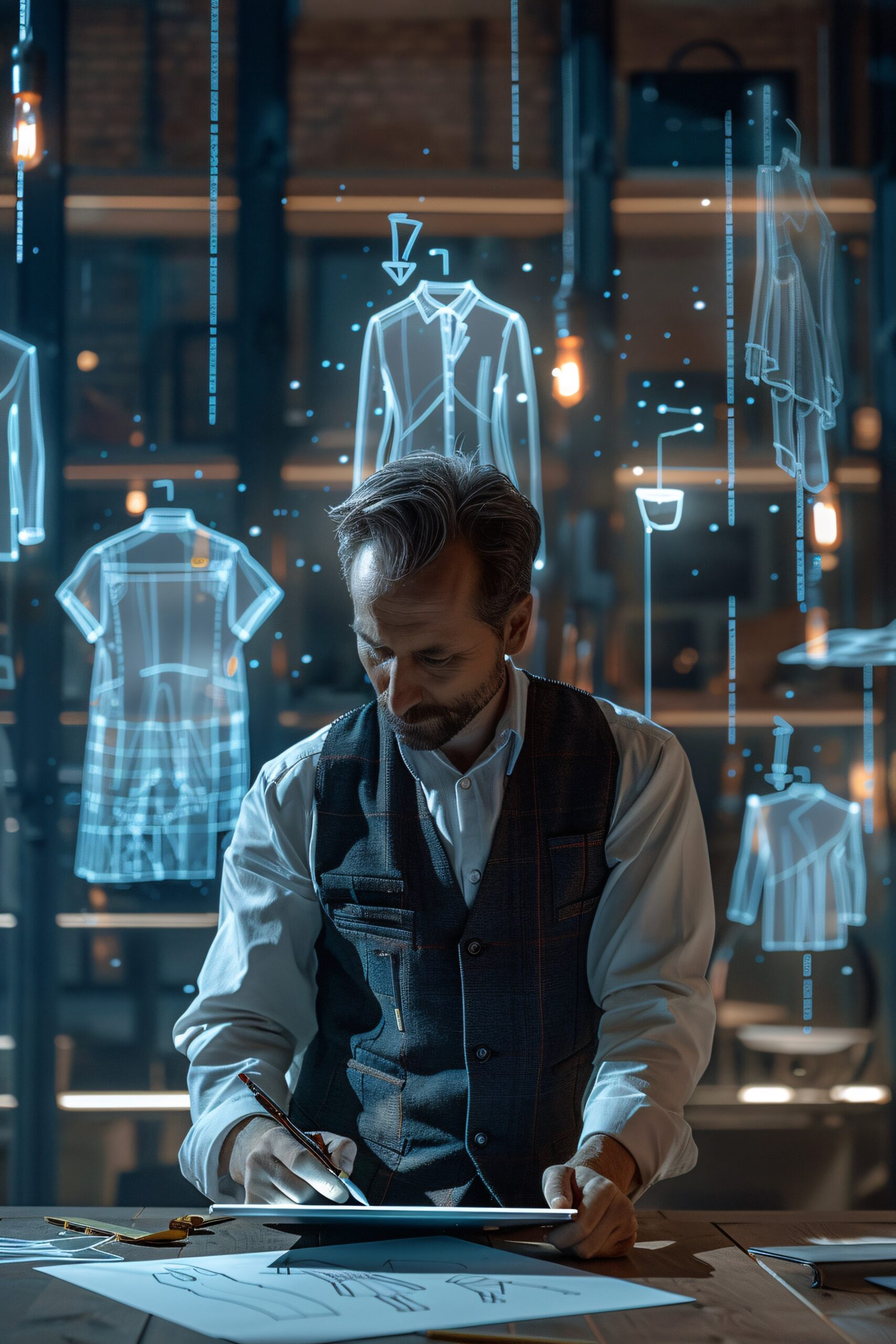
AI is playing a main role in how brands concept and create clothing. Furthermore, artificial intelligence helps designers to analyze consumer data, forecast fashion trends, and create new design ideas.
For instance, AI-powered tools can study millions of social media posts and shopping habits to predict which colors, patterns, and silhouettes will be popular next season. Furthermore, this will help brands to design collections that meet real-time demand while reducing waste.
Companies like Stitch Fix use machine learning to personalize fashion recommendations for customers, showing how AI and fashion are creating smarter shopping experiences.
3. 3D Printing: Redefining Creativity and Sustainability
Another exciting innovation in tech-driven fashion is 3D printing. Excitingly, designers can now create amazing clothing and accessories by using specialized printers, above all, this method saves time, reduces fabric waste, and permit customization like never before.
For example, Adidas has introduced 3D-printed sneakers that combine comfort, sustainability, and futuristic aesthetics. Meanwhile, independent designers are using 3D printing to experiment with avant-garde looks that challenge traditional manufacturing limits.
Fashion future lies in on-demand production, where customers can order custom-fit clothes printed just for them.
Go to Official website for more information
4. Virtual Fashion Shows and the Rise of the Metaverse
Technology has also revolutionized how fashion is presented. Nonetheless, gone are the days when runway shows were limited to elite guests in Paris or Milan. However, today fashion shows can be streamed live or even held entirely in virtual reality (VR)
In 2025, leading brands such Balenciaga, Gucci, and Dolce & Gabbana are embracing digital fashion spaces. Interestingly, these virtual fashion shows allow millions of people worldwide to experience new collections online, often featuring digital models, virtual clothing, and immersive 3D environments.
Fashion is no longer just physical, rather digital wearables are now a trend, where people can buy virtual outfits for their social media profiles.
5. Sustainability Through Technology
Sustainability remains one of the biggest goals in the fashion industry. Thankfully, in tech and fashion trends 2025 technology is providing solutions to reduce waste and also to promote ethical production.
Moreso, Bockchain technology make sure that there is transparency in the supply chain, allowing customers to track where and how their clothes are made. Further more, AI algorithms help brands to forecast inventory needs to prevent overproduction, while eco-tech innovations are turning recycled materials into stylish clothes.
In addition, brands such as Stella McCartney is leading this movement, making use of data and digital tools to create a more responsible fashion ecosystem. As a matter of fact, the result is Smart fashion that cares for the planet.
6. E-Commerce, AR Fitting, and Smart Shopping in Tech and Fashion Trends 2025
In Tech and Fashion Trends 2025, Technology has completely changed how we shop for fashion. Interestingly, online shopping is smarter and more interactive than ever, all thanks to Augmented Reality (AR) and Virtual Fitting Rooms.
These days, consumers can now try on clothes virtually using their smartphones. Uniquely, retailers such as Zara and ASOS are investing in AR apps that allows customers to see how clothes fit and look before buying them. This do not only improves user experience but it also reduces return rates, a win for both consumers and brands.
E-commerce is now powered by AI recommendation engines, chatbots, and personalized digital stylists, making the fashion shopping journey seamless and futuristic.
7. Digital Fashion and NFTs: A New Form of Expression
In this age of Web3, digital fashion and NFTs are introducing an entirely new market for creativity. Designers can create virtual outfits that exist only online, bought, sold, and traded as digital assets.
These virtual clothes are being worn by avatars in video games, metaverse platforms, or even social media posts. It is an exciting blend of art, technology, and fashion, allowing brands to reach a tech-know-how generation that values digital identity.
Fashion houses such as Dolce & Gabbana have already released NFT collections worth millions, showing that the future of fashion is as virtual as it is physical.
8. The Future of Tech and Fashion in Tech and Fashion Trends 2025
As we go further into 2025, the blend between technology and fashion continue to expand. With AI designers, sustainable materials, and smart fabrics becoming mainstream, fashion is evolving into something more personalized, digital, and sustainable than ever before.
Very soon, we might start seeing clothes that charge our mobile devices, adapt to weather conditions instantly, or even display digital art in real time. The possibilities are realistic and the partnership between tech and fashion will continue to define the style of the future.
Conclusion: A Smart, Stylish Tomorrow
The bond between tech and fashion has created a new era of creativity and innovation. From AI-powered design to eco-friendly materials, the future of fashion is intelligent, interactive, and inspiring.
Technology is not replacing style, rather it is enhancing it. As consumers, embracing this evolution means celebrating both beauty and progress in every stitch, pixel, and design.
Visit Business and Fashion for more information